Performance/Advantages
Capable of both continuous and intermittent discharge of saturated condensate, preventing water accumulation in heating equipment and ensuring high thermal efficiency.
The inverted bucket design is resistant to water hammer, ensuring a long service life.
Excellent air-venting capability; the inverted bucket features a vent hole that effectively prevents steam locking and air binding.
High back-pressure tolerance, with a back-pressure ratio of up to 85%.
Easy maintenance; internal components are made of stainless steel and mounted on the valve cover. An integrated strainer is included to facilitate routine maintenance.
Applications
Suitable for various steam-heated equipment, steam distribution networks, and systems using low-superheat steam across industries such as petroleum, chemical, power generation, textile printing and dyeing, healthcare, and pharmaceuticals. It ensures rapid condensate removal while effectively preventing steam leakage.
Operating Principle
The inverted bucket steam trap operates based on the density difference between condensate and steam, ensuring precise and reliable performance.
Key Selection Criteria
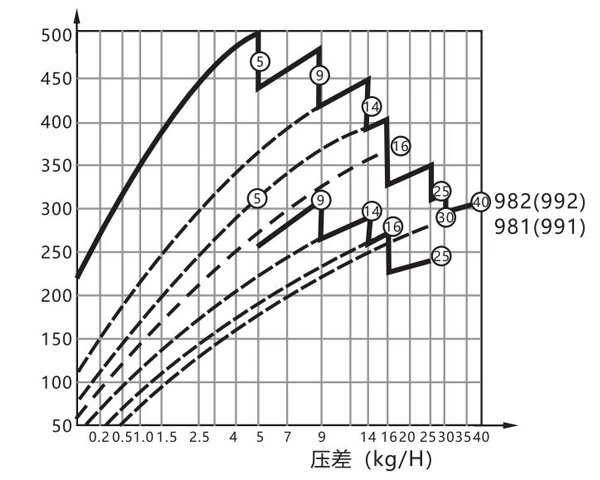
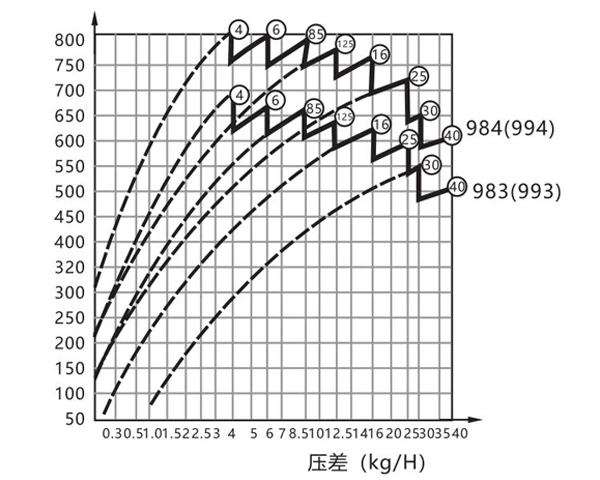
Condensate load (discharge capacity) in kg/h (apply a safety factor of 2–3x).
Maximum operating pressure.
Operating pressure differential.
Valve body material and nominal pressure rating.
Connection type and size.
Operation and Maintenance
Verify that the valve body material, pressure rating, and temperature limits meet the requirements of the specific operating conditions.
Clean the piping system to remove debris before installation.
Install the unit as close to the heating equipment as possible.
Install horizontally at the lowest point of the piping, ensuring the flow direction matches the arrow marked on the valve body.
Each piece of heating equipment should be equipped with its own dedicated steam trap to avoid mutual interference.
To ensure system stability, open the valve upstream of the steam trap slowly, allowing the unit to warm up gradually to its normal operating state.
Perform regular maintenance to ensure the steam trap continues to function correctly.