Application Requirements
Identify whether the trap will serve steam mains, process equipment, heat exchangers, tracing lines or another application. Confirm whether condensate must be discharged immediately or can be subcooled before discharge.
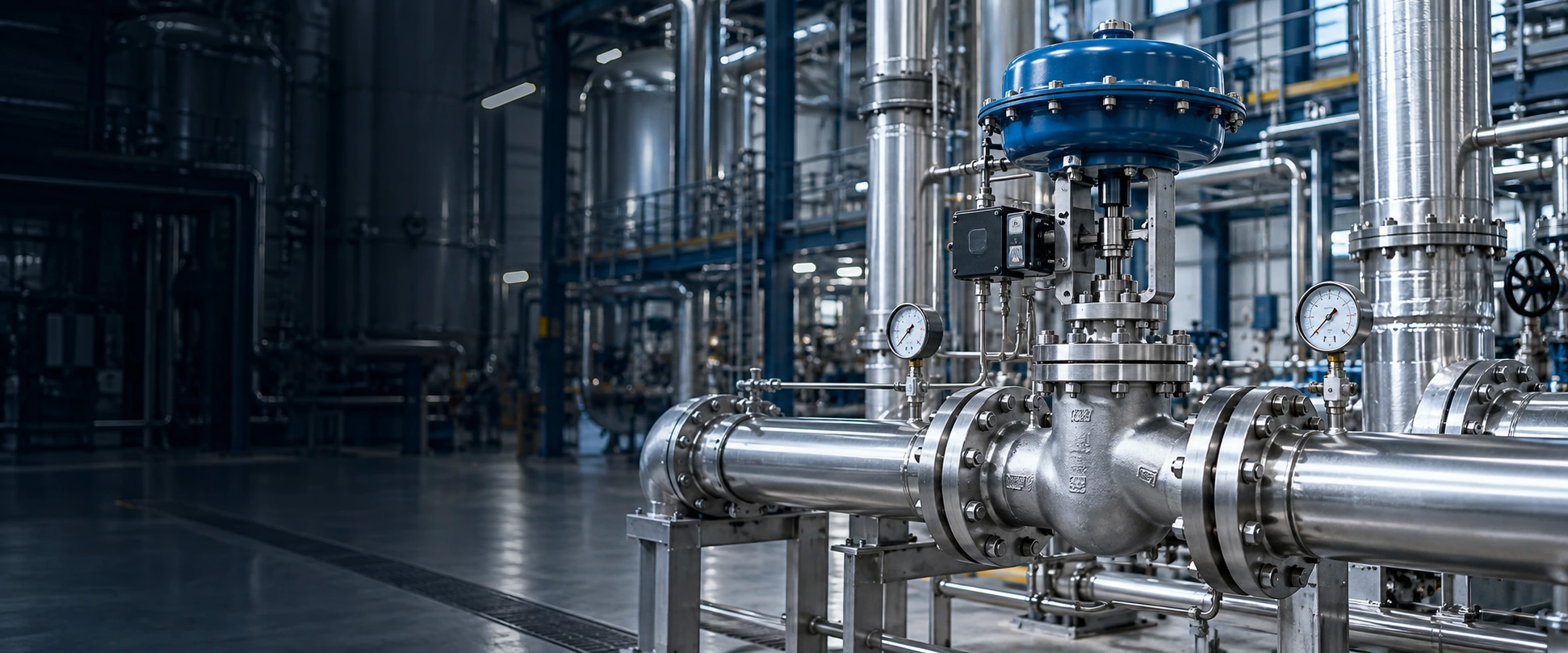
Identify whether the trap will serve steam mains, process equipment, heat exchangers, tracing lines or another application. Confirm whether condensate must be discharged immediately or can be subcooled before discharge.
Record the maximum operating pressure, differential pressure, steam temperature and condensate return pressure. The selected trap must remain within its pressure and temperature ratings under all operating conditions.
Calculate both normal operating load and start-up load. Apply the manufacturer’s recommended safety factor so the trap can remove condensate without causing equipment flooding or unstable performance.
Confirm connection size, piping orientation, body material, available installation space, air-removal requirements, dirt level, freezing risk and maintenance access before selecting the final model.
| Feature | Float & Thermostatic | Thermodynamic | Inverted Bucket | Bimetallic |
|---|---|---|---|---|
| How It Works | Float-operated valve with an automatic thermostatic air vent | Disc-operated mechanism using velocity and pressure differences | Mechanical inverted bucket opens and closes the discharge valve | Bimetallic elements respond to condensate temperature |
| Best For | Variable condensate loads and process equipment | Steam mains, tracing lines and high-pressure service | Stable loads, steam mains and demanding process applications | Temperature-sensitive drainage where subcooling is acceptable |
| Operating Pressure Range | Low to high pressure, depending on model | Medium to very high pressure, depending on model | Low to high pressure, depending on model | Low to high pressure, depending on model |
| Condensate Discharge | Continuous discharge close to steam temperature | Intermittent cyclic discharge | Intermittent cyclic discharge | Temperature-controlled discharge after subcooling |
| Air Venting Capability | Excellent | Limited; separate venting may be required | Limited and relatively slow | Good during start-up |
| Water Hammer Resistance | Good | Very Good | Very Good | Fair |
| Dirt Tolerance | Good | Good | Good | Fair |
| Subcooling Capability | Minimal | Limited | Minimal | High or adjustable |
| Typical Applications | Heat exchangers, process heaters and vessels | Steam mains, traced piping and high-pressure lines | Steam mains and robust process applications | Tracer lines and low-temperature heating |
Identify the equipment, drainage point, required discharge behavior and the consequences of condensate backing up.
Collect operating pressure, temperature, back pressure, connection, orientation, material and environmental requirements.
Determine normal and start-up condensate loads, then apply the recommended safety factor for reliable drainage.
Evaluate discharge method, air-removal capability, pressure range, energy performance, durability and maintenance needs.
Confirm model capacity, accessories and installation arrangement, then request an engineering review before ordering.
Years of steam and condensate experience
Installations worldwide
System rellabiityin critical applications
Global engineering support
See how system assessment and the right steam trap selection improve reliability, efficiency and condensate management.
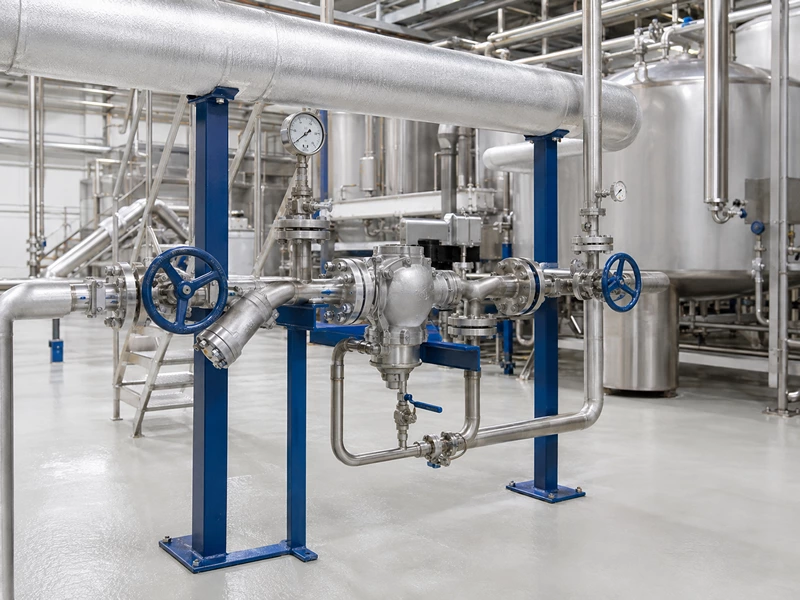
ENERGY SAVED
CRETURNTEMPERATURE
PAYBACK
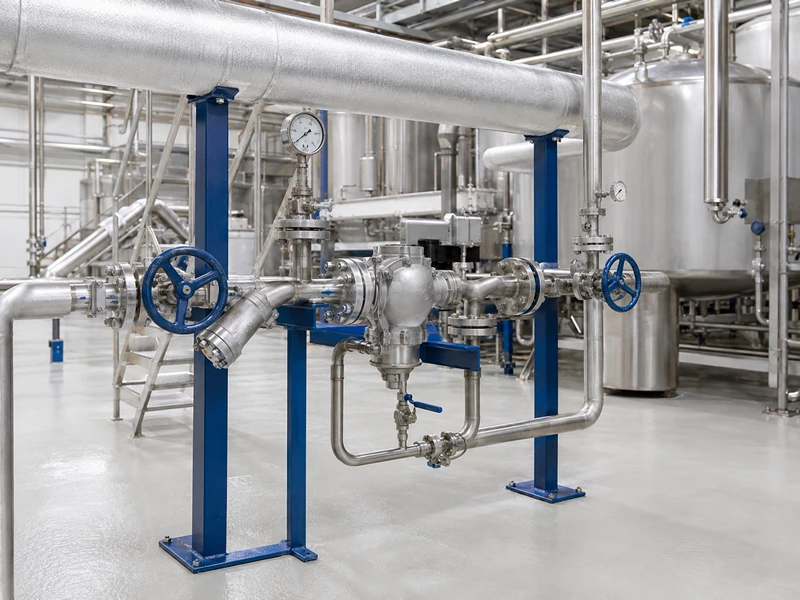
ENERGY SAVED
CRETURNTEMPERATURE
PAYBACK
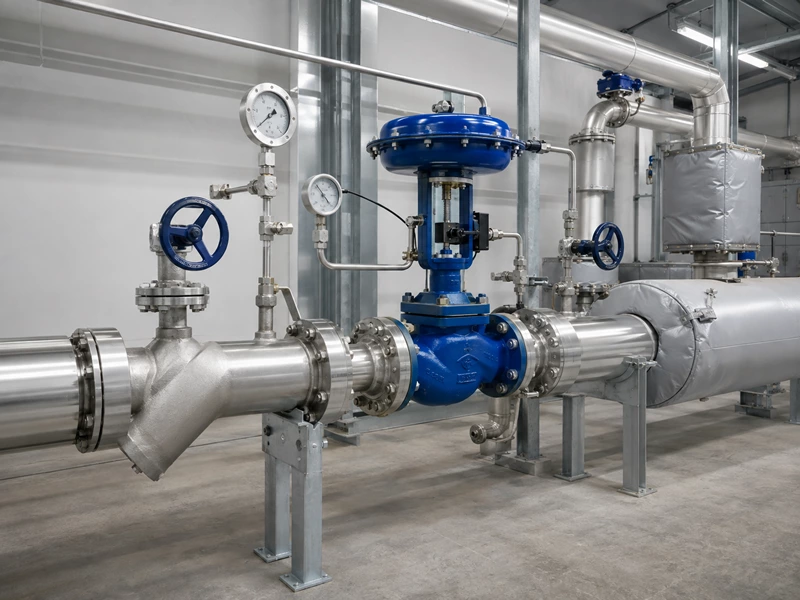
ENERGY SAVED
CRETURNTEMPERATURE
PAYBACK
Tell us about your steam or fluid control application — our engineers will review the operating conditions and recommend a suitable solution.
Include the medium, working pressure, temperature, connection size and required quantity in your message.
Share your operating conditions and upload drawings. Our engineers will recommend the right solution.
We use cookies to collect information about how you use this site. We use this information to make the website work as well as possible and improve our services.more details