Operating Principle
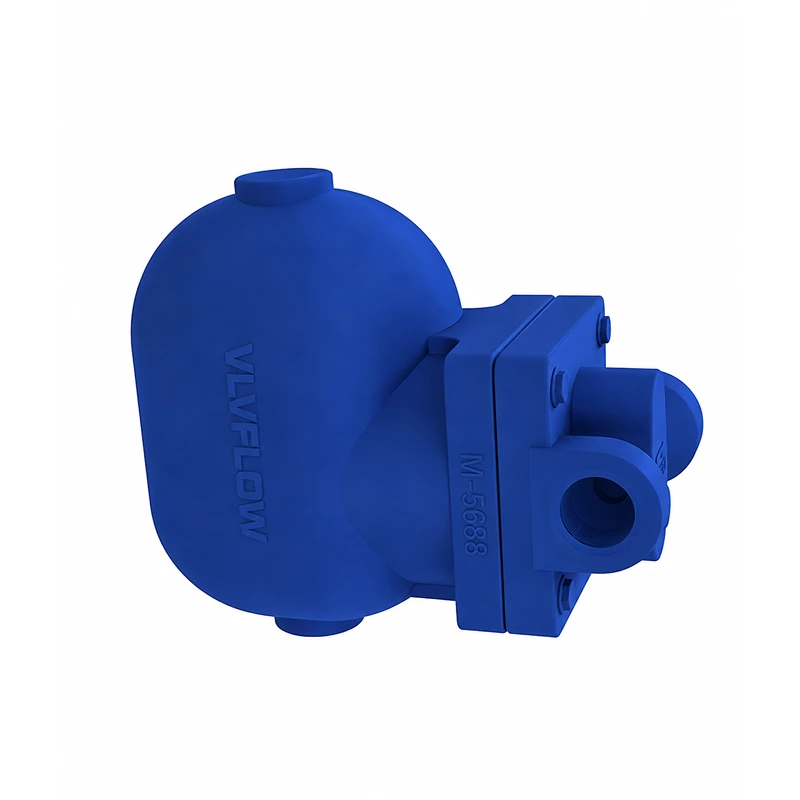
Upon initial startup, the automatic air-venting mechanism rapidly expels non-condensable gases from the system. As steam and hot condensate enter, the temperature within the valve chamber rises, causing the air-venting mechanism to close automatically. A float rises or falls in response to the condensate level, actuating a lever that adjusts the opening of the valve seat orifice to ensure continuous condensate discharge. When the inflow of condensate ceases, the float descends under its own weight, driving the lever to move the valve plug and close the discharge orifice.
Performance/Advantages
Capable of continuous discharge of saturated condensate. This prevents water accumulation in heating equipment, thereby ensuring high thermal efficiency. Operation remains unaffected by fluctuations in steam pressure; the float-and-lever mechanism automatically adjusts the valve seat opening, ensuring consistent and stable performance.
Excellent air-venting capability. The automatic air-venting mechanism removes non-condensable gases (both cold and hot), preventing air-locking and ensuring smooth, noise-free operation.
Superior sealing performance. The sealing components feature a spherical design, which avoids localized wear during operation and results in a long service life.
Applications
Designed for use in steam-heated equipment, condensate recovery systems, and any application requiring the rapid removal of condensate. It automatically, promptly, and continuously discharges condensate while effectively preventing steam leakage, thereby optimizing heating efficiency.
Operation and Maintenance
Verify that the valve body material, pressure rating, and temperature limits are suitable for the specific operating conditions.
Clean the piping thoroughly to remove debris before installation.
Install the valve as close to the heating equipment as possible.
Mount the valve horizontally at the lowest point of the piping, ensuring the flow direction aligns with the markings on the valve body.
Each piece of heating equipment should be equipped with its own steam trap to prevent mutual interference.
To ensure system stability, open the valve upstream of the steam trap slowly, allowing the unit to warm up gradually to its normal operating state.
Perform regular maintenance to ensure the steam trap continues to function correctly.
Key Selection Criteria
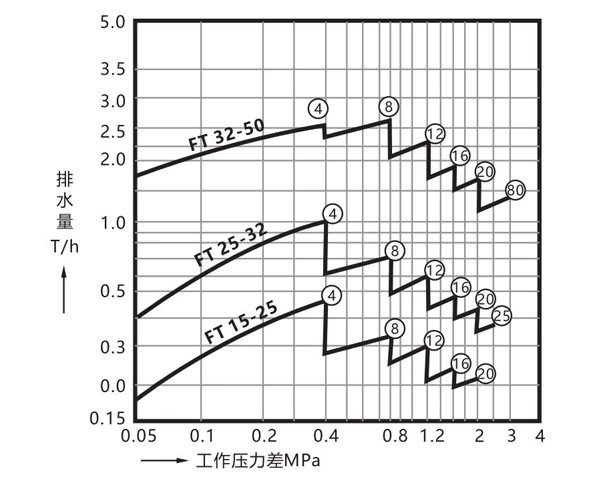
Condensate load (discharge capacity) in kg/h (apply a safety factor of 2–3x)
Maximum operating pressure
Operating pressure differential
Valve body material and nominal pressure rating
Connection type and dimensions