Five Common Causes of Steam Loss in Industrial Systems
Steam systems operate under demanding temperature and pressure conditions. Small faults can gradually develop into significant energy losses if equipment is not inspected and maintained correctly.
The following are five common causes of steam loss.
Failed steam traps
A steam trap that fails open may continuously discharge live steam into the condensate system. Failed-closed traps can cause condensate accumulation, poor heat transfer and water hammer.
Valve leakage
Worn seats, damaged seals and incorrect valve selection can allow steam to pass through a closed valve. Leakage may also reduce control accuracy and increase downstream pressure.
Damaged insulation
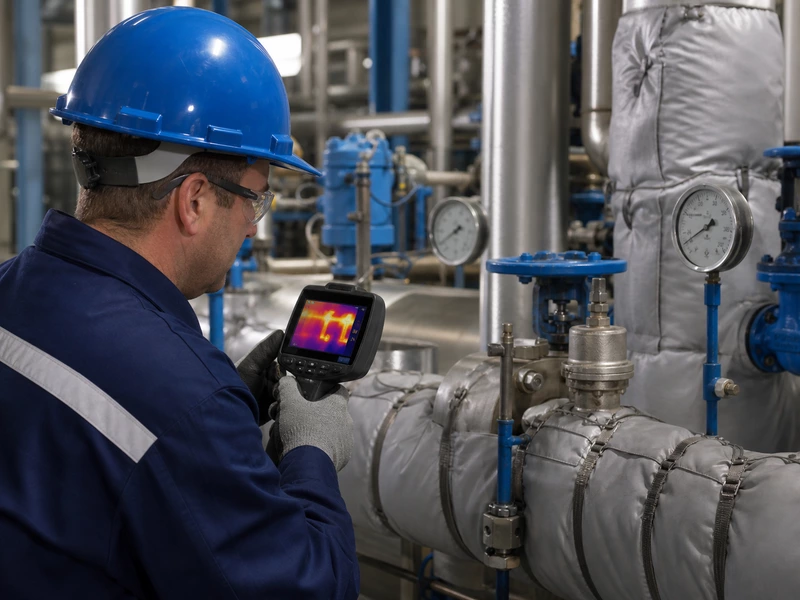
Uninsulated pipes, valves and flanges release heat into the surrounding environment. Maintaining insulation is one of the simplest ways to reduce unnecessary heat loss.
Incorrect pressure settings
Operating at a pressure higher than the process requires increases heat loss and places additional stress on equipment. Pressure should be matched to actual production requirements.
Uncontrolled condensate discharge
Hot condensate contains usable thermal energy. Discharging it directly to drain wastes heat, treated water and chemicals.
A structured steam system survey can identify these problems before they affect production. The assessment should include steam trap testing, leak detection, pressure measurement and an inspection of condensate return equipment.
Correcting even minor faults across a large steam network can produce meaningful energy savings and improve overall system reliability.