How Condensate RecoveryImproves Steam System Efficiency
Effective condensate recovery reduces energy loss, lowers operatingcosts and improves overall steam system performance. Learn how theright equipment and design can make a measurable difference.
Condensate is a valuable source of heat and treated water within an industrial steam system. When it is discharged instead of returned to the boiler house, both energy and water are lost.
A well-designed condensate recovery system collects hot condensate from steam-using equipment and returns it to the boiler feedwater system. Because the returned water is already hot, less fuel is required to raise it to steam temperature. It also contains fewer impurities than untreated make-up water, reducing the demand for chemicals and water treatment.
Effective condensate recovery can deliver several operational benefits:
-
Reduced boiler fuel consumption
-
Lower make-up water requirements
-
Reduced water treatment and discharge costs
-
Improved boiler response and operating stability
-
Lower carbon emissions
-
Reduced risk of water hammer
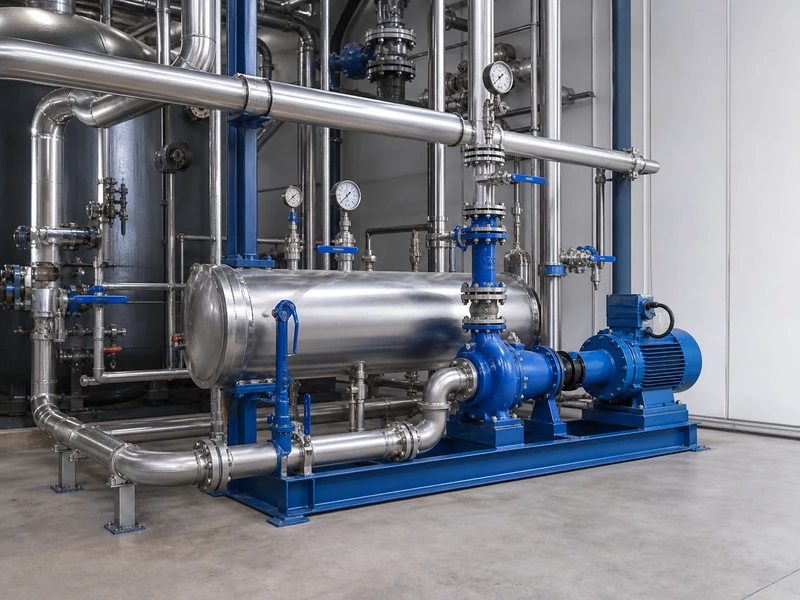
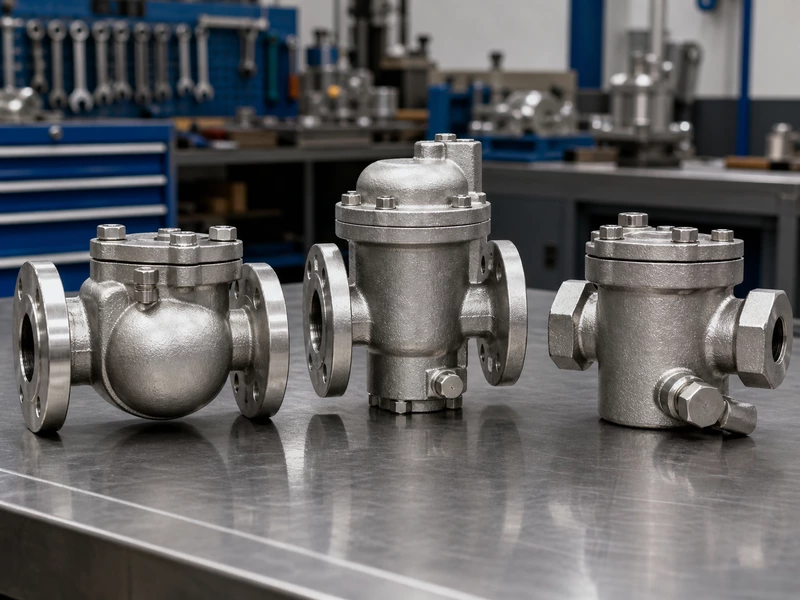
Reliable steam traps, correctly sized return lines and suitable condensate pumps are essential to system performance. Poor drainage, failed steam traps or excessive back pressure can restrict condensate flow and affect production equipment.
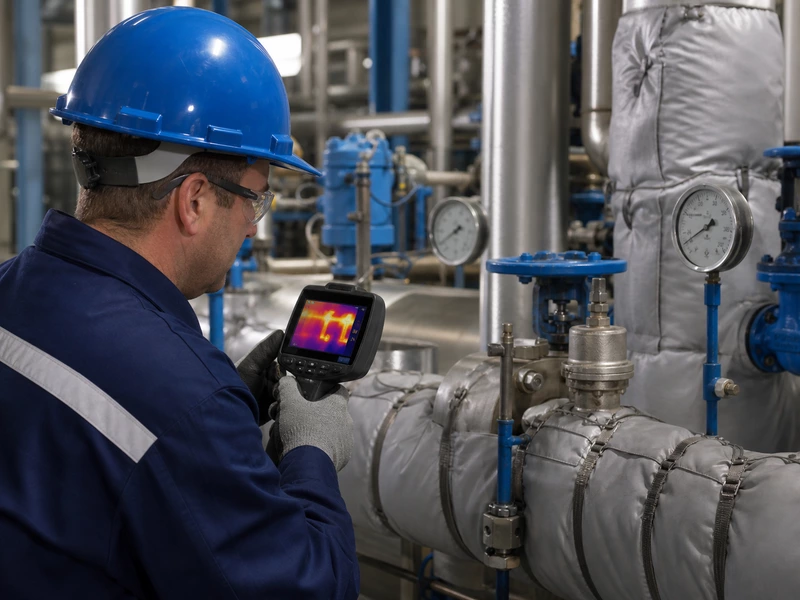
Regular system assessment helps identify lost condensate, leaking steam traps and inefficient piping arrangements. By correcting these issues, plants can improve energy efficiency while maintaining stable production conditions.
Condensate recovery should therefore be treated as an important part of steam system design rather than an optional energy-saving measure.