Material Sample
Used to compare basic elastomer characteristics such as hardness, flexibility, touch feel, compression and surface behavior.

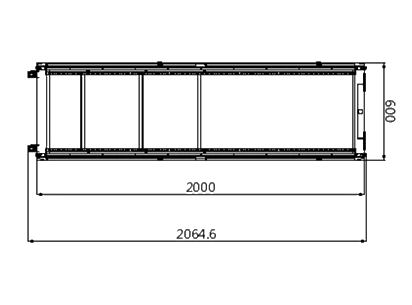
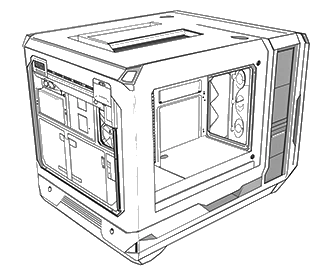
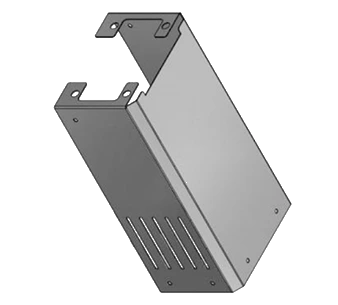

Customers can provide drawings, samples, product requirements or application needs. If the material direction is not yet confirmed, we can help match suitable elastomer materials based on project experience, product use, sealing requirements, touch feel, compression needs, environment and manufacturing feasibility.
| Material Type | Common Options | Typical Use Direction |
|---|---|---|
| Silicone Rubber | Silicone, LSR, HCR silicone | For seals, gaskets, buttons, keypads, soft-touch parts and components needing flexibility or temperature resistance. |
| EPDM | EPDM rubber | For outdoor seals, moisture sealing, weather-resistant gaskets and enclosure sealing parts. |
| TPE / TPV | TPE, TPV | For flexible parts that need rubber-like feel with thermoplastic processing advantages. |
| TPU | TPU | For parts needing abrasion resistance, flexibility, toughness or protective soft components. |
| NBR / Nitrile Rubber | NBR, Buna-N | For selected sealing parts that may face oil or fuel-related exposure. |
| Neoprene / CR | Chloroprene rubber | For general-purpose sealing, cushioning or moderate environmental exposure. |
| FKM / Fluoroelastomer | FKM, Viton-type materials | For selected high-performance sealing parts exposed to heat, fuels, oils or harsh chemicals. |
| Foam / Sponge Elastomers | Silicone foam, silicone sponge, urethane foam | For compressible gaskets, cushioning pads, dust seals and vibration reduction. |
| Other Elastomer Materials | Project-specific elastomers | Reviewed according to drawings, samples, product requirements and manufacturing feasibility. |
Before confirming the final elastomer material direction, samples help verify whether the selected material, hardness, compression behavior, sealing structure and surface condition can meet the product's actual requirements.
Used to compare basic elastomer characteristics such as hardness, flexibility, touch feel, compression and surface behavior.
Used to check whether the material works with gasket grooves, enclosure joints, covers, doors, openings or sealing paths.
Used to review fit with plastic parts, metal parts, PCBs, buttons, screws, inserts, displays, connectors or internal components.
Used to confirm color, texture, molded surface quality, marking, adhesive backing or final visible surface condition.
Sample validation helps confirm whether the selected plastic material direction is suitable before moving into tooling or production.
| Validation Point | What We Check | Why It Matters |
|---|---|---|
| Hardness & Touch Feel | Shore hardness, softness, grip, button feel and user contact experience. | Confirms whether the material feels and performs correctly in real product use. |
| Compression & Recovery | Compression behavior, sealing force, rebound, compression set risk and long-term deformation. | Helps confirm whether the part can maintain sealing, cushioning or contact performance. |
| Sealing & Fit | Gasket path, groove fit, cover pressure, joint contact and leakage risk. | Checks whether the elastomer part can support enclosure sealing or dust protection. |
| Temperature & Environment | Heat, cold, moisture, UV exposure, outdoor use and aging risk. | Helps avoid cracking, hardening, softening or performance loss in the expected environment. |
| Chemical & Fluid Exposure | Contact with oils, fuels, cleaning agents, chemicals or other fluids. | Confirms whether the material is suitable for the expected exposure conditions. |
| Assembly & Bonding | Fit with plastic or metal parts, adhesive backing, inserts, fasteners and assembly pressure. | Helps confirm whether the elastomer part can be assembled reliably with the enclosure. |
| Surface & Appearance | Color, texture, molded surface, flash, parting lines, printing or marking. | Confirms whether the part meets visible surface and product appearance requirements. |
| Cost, Application & Production Fit | Material cost, tooling needs, molding or cutting method, quantity and production feasibility. | Helps confirm whether the material direction is suitable for both product use and production planning. |
Common questions about choosing enclosure materials.
Common options include silicone rubber, EPDM, TPE, TPV, TPU, NBR, neoprene, FKM and foam or sponge elastomers. The final choice depends on sealing needs, compression, hardness, environment, chemical exposure and production feasibility.
Customers can provide drawings, samples, product requirements or application needs. If the material is not confirmed, we can help match a suitable elastomer direction based on project experience and product requirements.
Elastomer materials are commonly used for gaskets, seals, buttons, keypads, grips, soft-touch areas, cushioning pads, vibration pads and flexible interface parts.
Samples help confirm hardness, touch feel, sealing fit, compression recovery, assembly condition, surface quality and whether the material direction matches the product's actual use.
Yes. Silicone rubber is commonly used for keypads, push buttons and sealed input interfaces, especially when flexibility, tactile response and environmental sealing are required.
EPDM can be considered for outdoor sealing, moisture sealing, weather-resistant gaskets and enclosure sealing parts where oil or fuel resistance is not the main requirement.
TPE and TPU can be considered for flexible parts, soft-touch components, protective parts or rubber-like parts that may benefit from thermoplastic processing.
Some elastomer parts can support EMI shielding, grounding, thermal interface or cushioning requirements when suitable conductive, thermally conductive or specialty materials are selected.
Tell us about your product enclosure requirements. Share drawings, samples, target quantity, materials, finishes and application details if available.
We use cookies to collect information about how you use this site. We use this information to make the website work as well as possible and improve our services.more details