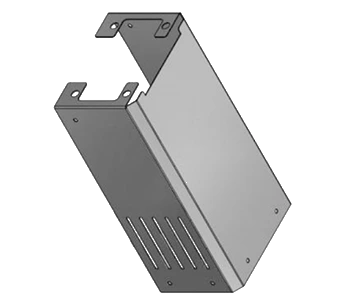
Choose the Finish Before Production
Surface finish affects appearance, wear, corrosion, markings and assembly. Confirm it early so material and process decisions remain compatible.
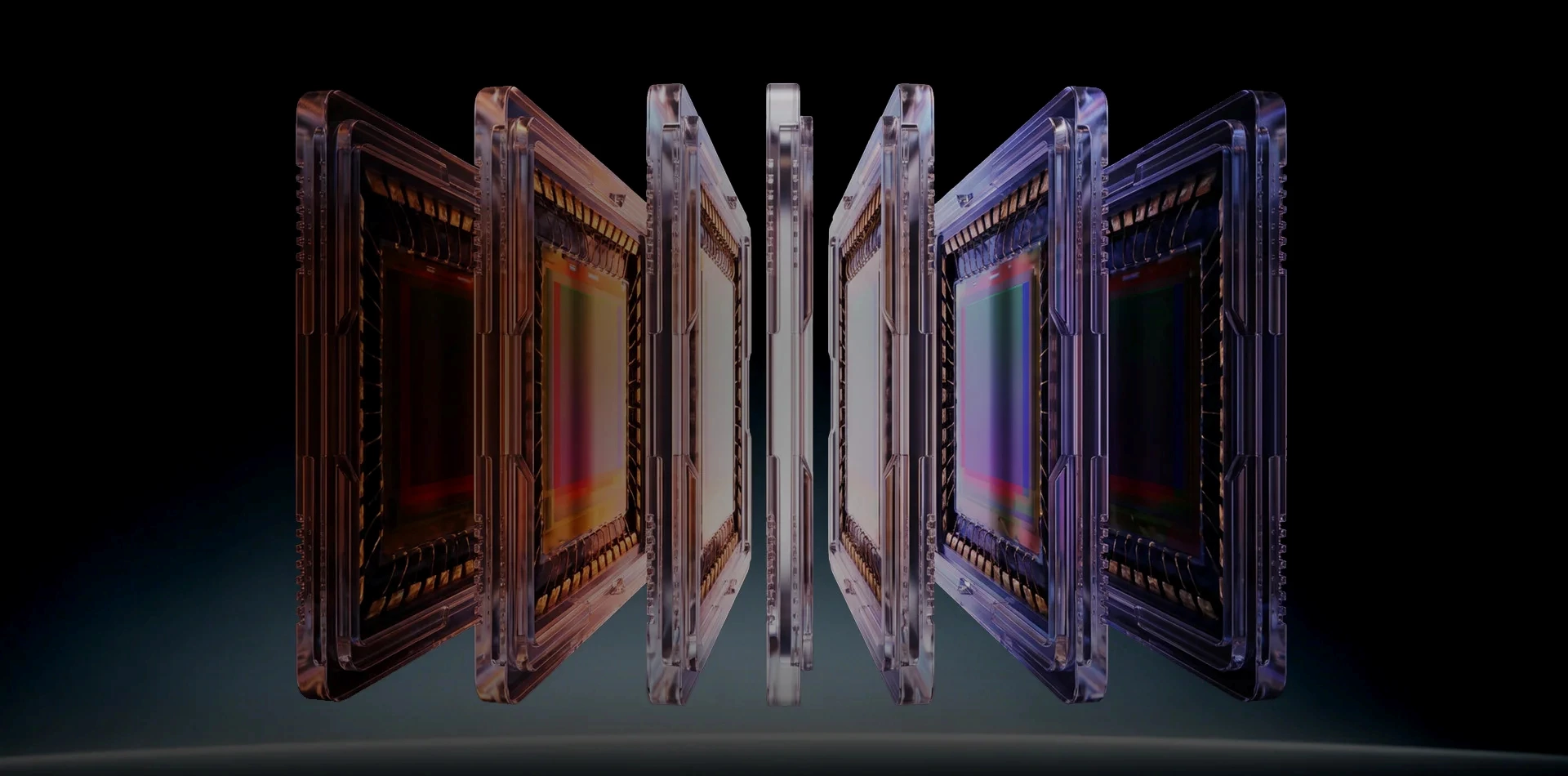
Surface finish affects appearance, wear, corrosion, markings and assembly. Confirm it early so material and process decisions remain compatible.

Align color, gloss, texture and visible surfaces across enclosure parts before production.

Match paint, coating, anodizing, printing or marking to the selected plastic or metal substrate.

Review handling wear, scratch, corrosion, UV or chemical exposure according to project requirements.

Use approved color, texture and finish samples to control cosmetic variation during production.
DFM is not one universal checklist. Each enclosure must be reviewed against its material, manufacturing process, quantity and tooling approach.

Molded color and texture, paint, printing or marking selected around resin and visible-surface requirements.
Anodizing, blasting, brushing, paint and marking coordinated with threads and machined interfaces.
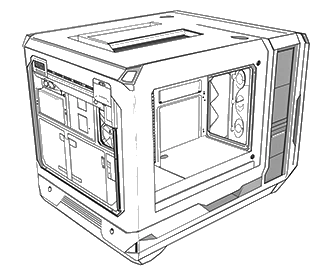
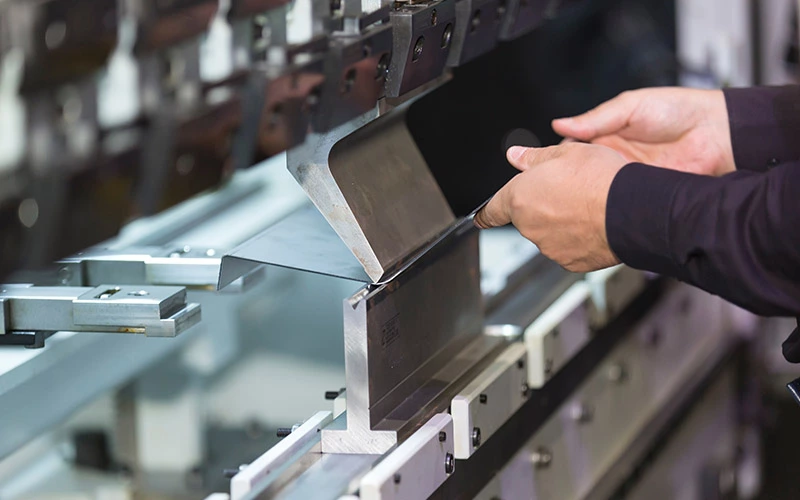
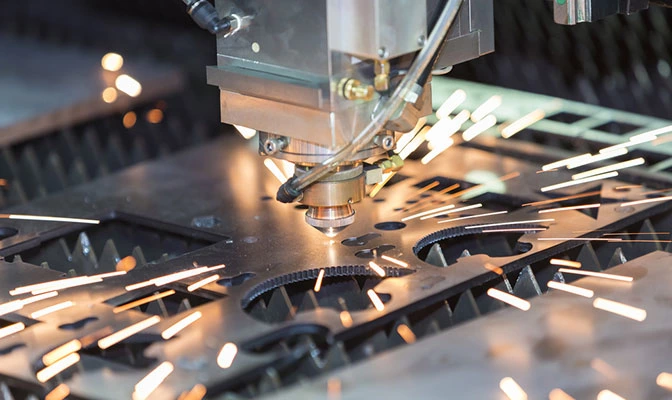
Powder coat, paint, plating, brushing and printing selected around bends, cutouts and formed construction.

Paint, powder coat, plating and secondary machining reviewed around alloy, geometry and visible surfaces.

Approved color target, gloss range and consistency between mating or adjacent enclosure parts.

Texture, coating flow, scratches and other visible process conditions against agreed criteria.

Finish coverage around holes, vents, bends, cutouts, edges and defined masking areas.

Logo, control legends, icons, serial data, alignment, contrast and legibility on the finished surface.

Control finish or masking around threads, inserts, mating surfaces, grounding points and electrical contacts.

Review adhesion, wear, corrosion or chemical resistance where the project defines these requirements.
Choose the process according to the enclosure geometry, material, required fidelity, quantity and the decision the prototype must support.
Color and protective coating systems for suitable plastic and metal enclosure substrates.
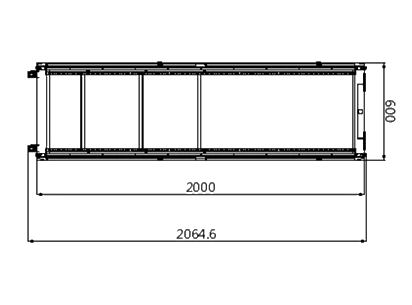
Durable coated finishes for suitable sheet-metal and metal enclosure applications.
Decorative or functional finish options for suitable aluminum alloys and surface conditions.
Control metal surface appearance and preparation before or as part of the final finish.

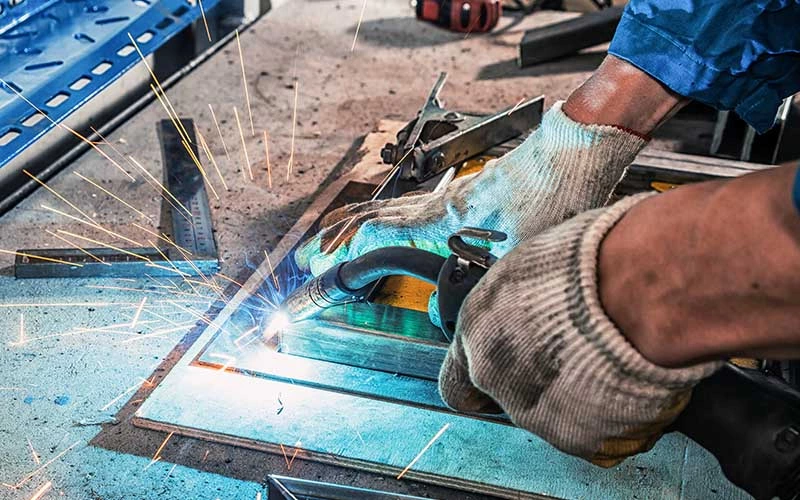
Add logos, legends, serial information and durable identification using a material-compatible method.
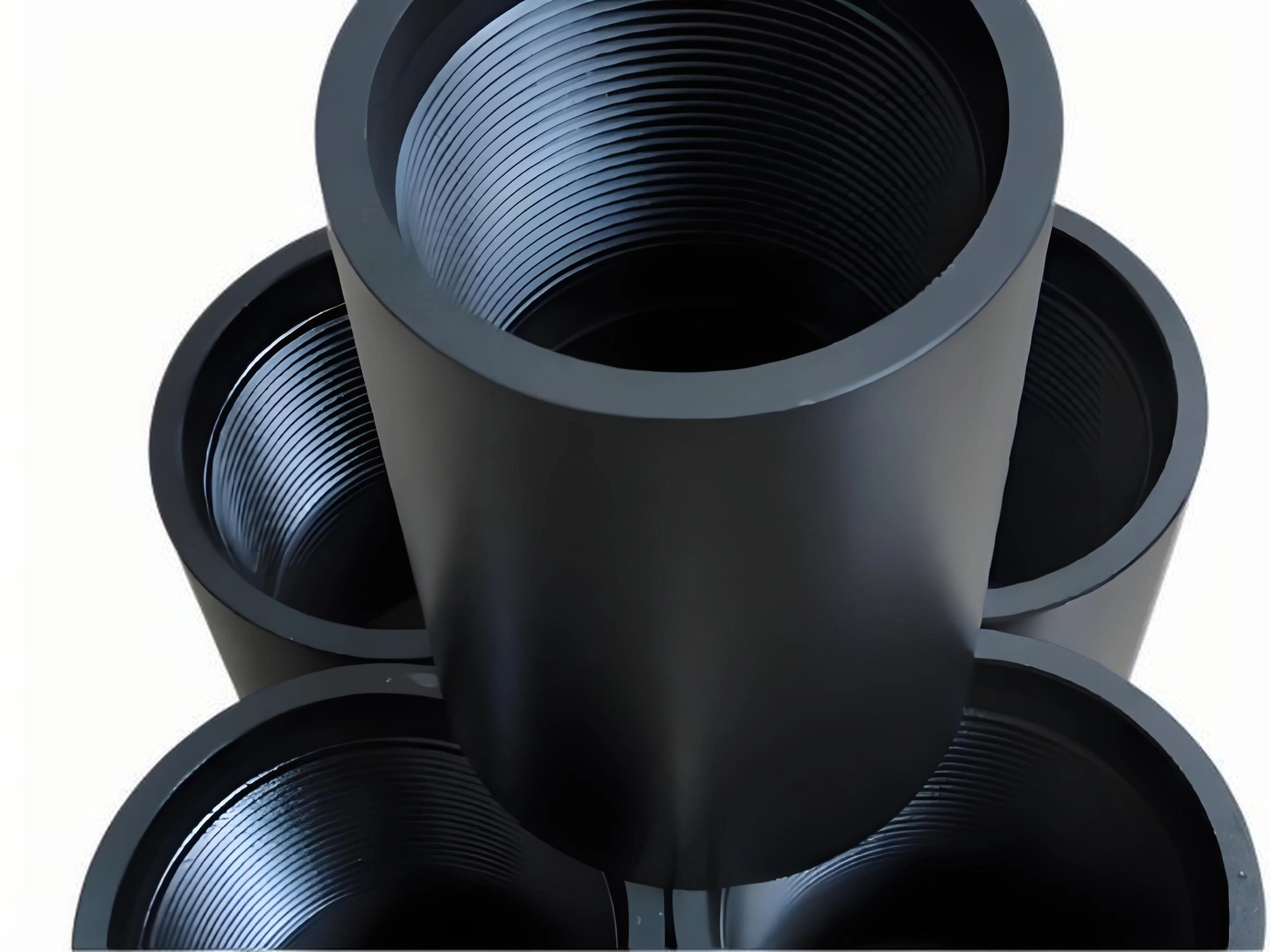
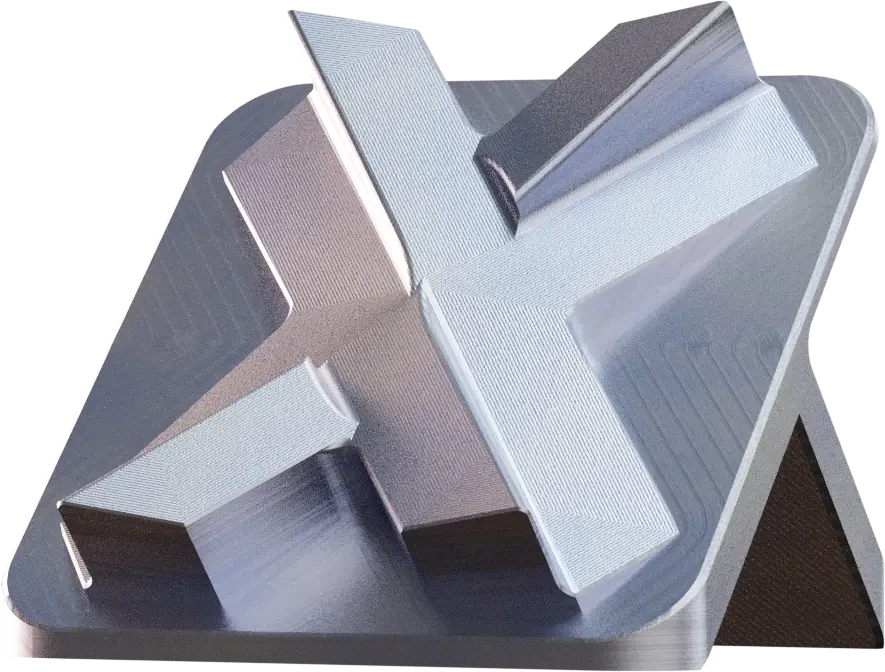
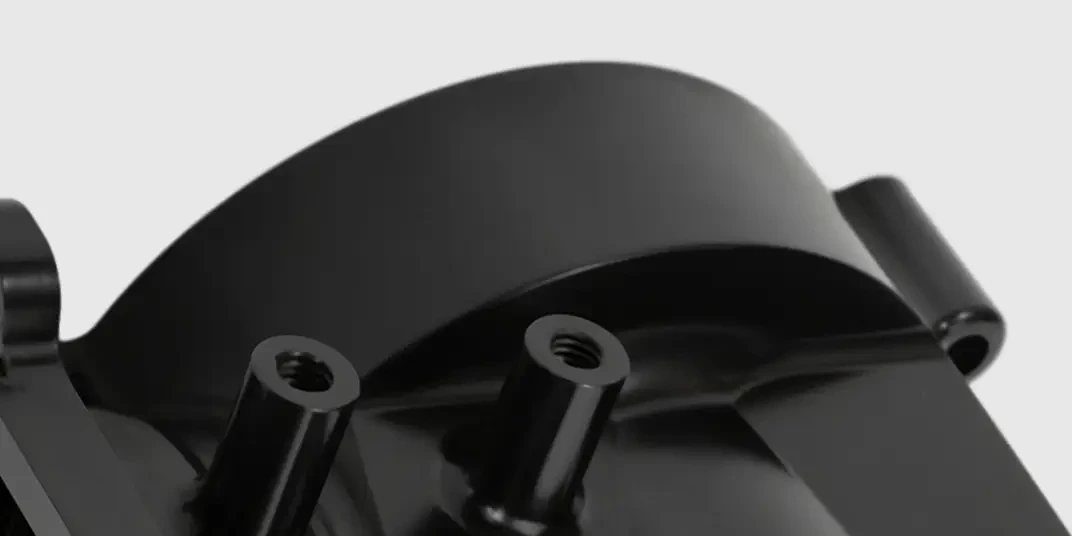
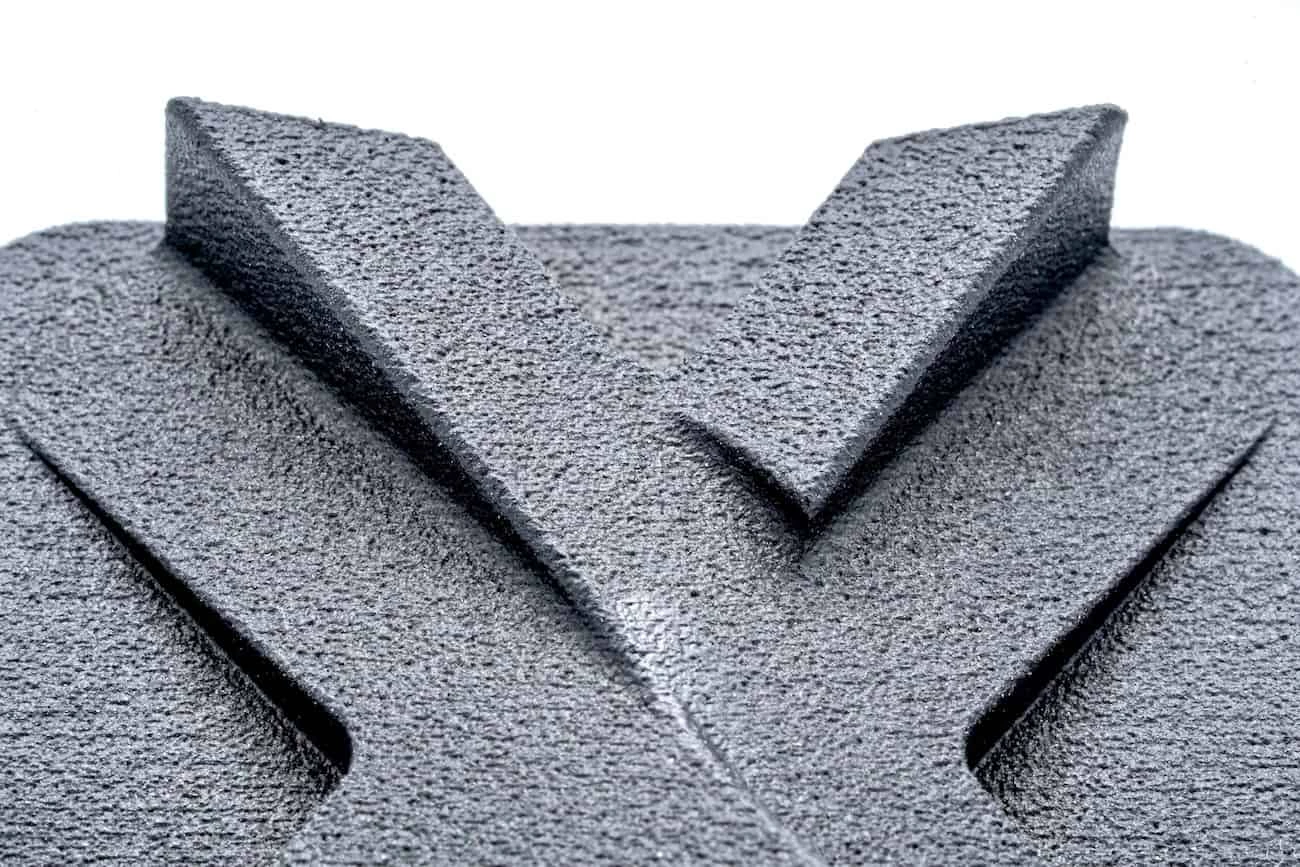
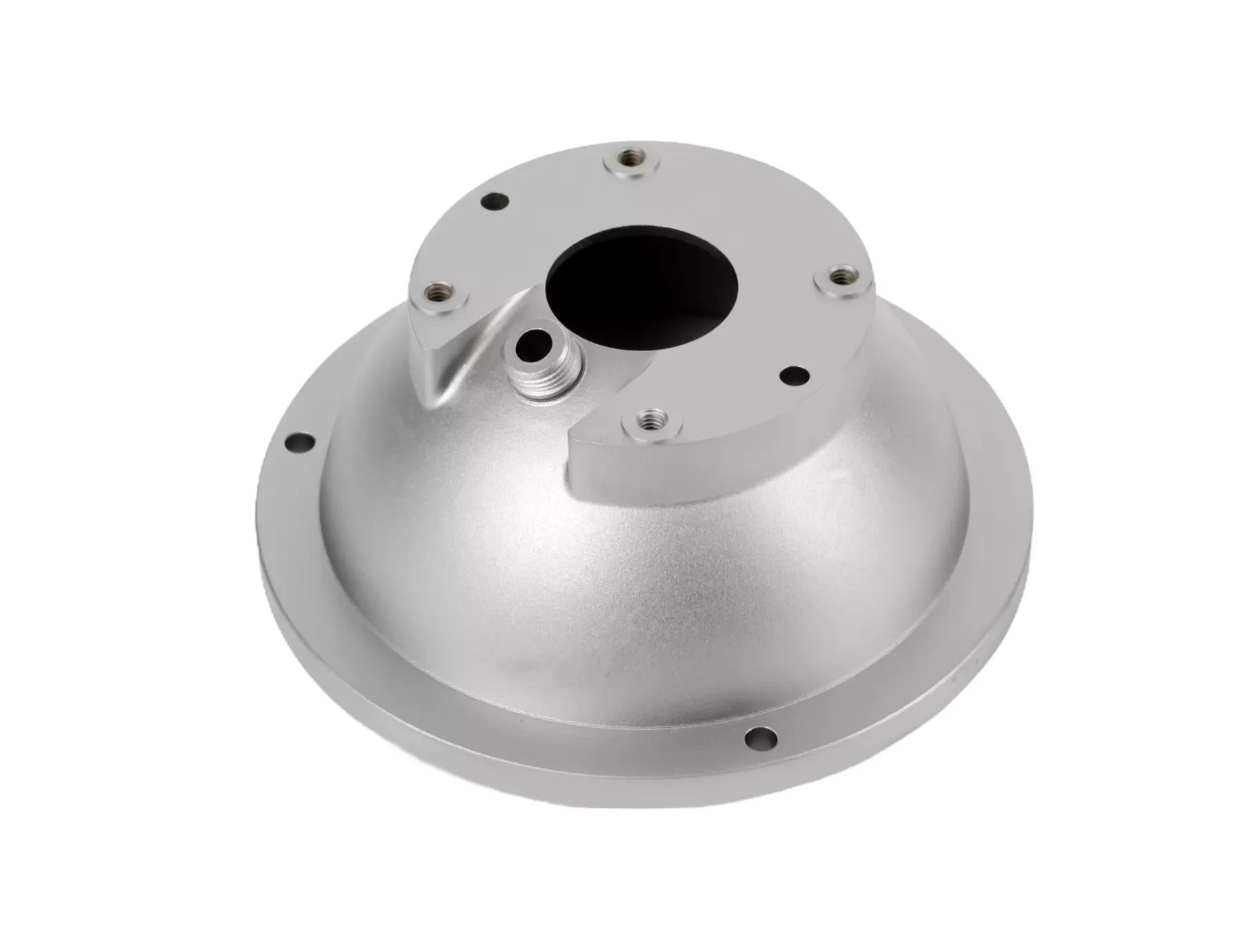
A clear build-and-review process keeps the prototype focused on specific product decisions.

Achieve a uniform color and appearance while enhancing protection and durability.
Apply logos, icons, text or labels using silk screen printing, pad printing or laser marking.
Support durable identification, serial numbers and traceability with high precision.
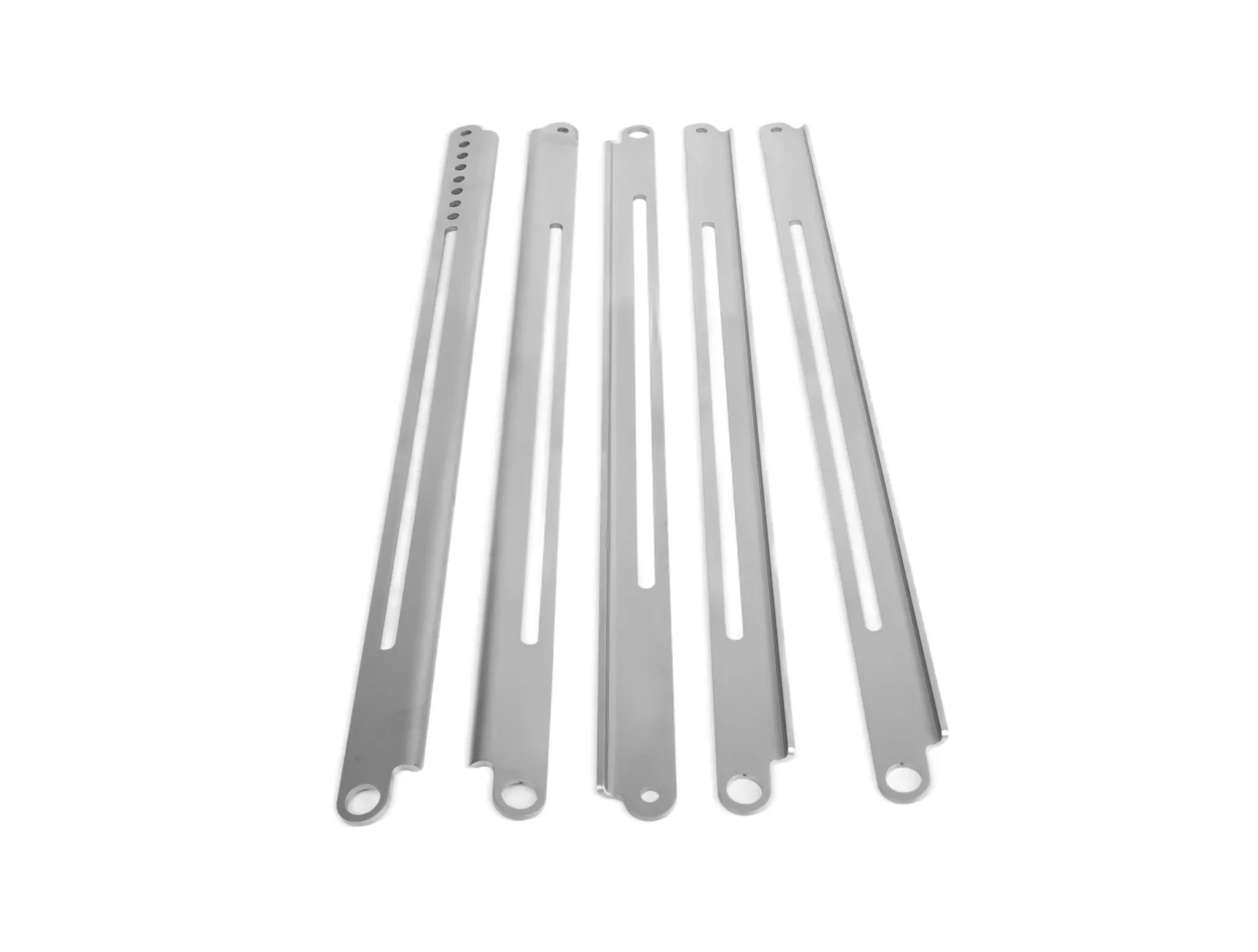
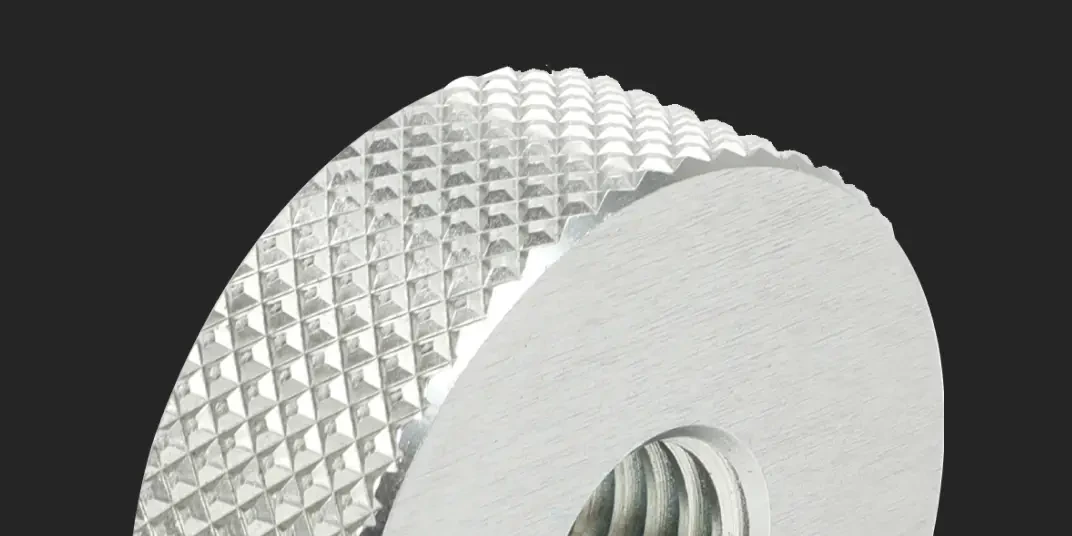
Improve assembly strength for screws, fastening and repeated use.
A prototype is valuable when its results confirm or change the next decision. Once key requirements are reviewed, the enclosure can move into DFM, tooling and the selected manufacturing process.

Review manufacturability, tooling requirements and production risks before release.

Produce enclosure samples for appearance, fit, assembly and early validation.


Compare materials according to structure, environment, appearance and process needs.
Helpful answers before selecting and validating an enclosure surface finish.
Early enough to confirm compatibility with the base material, manufacturing process, visible surfaces and assembly requirements.
Depending on the resin and process, options may include molded color or texture, paint, printing, laser marking and project-specific coatings.
Common options include anodizing, blasting, brushing, painting, powder coating and laser marking, depending on the alloy and process.
A Pantone target or approved physical reference can be reviewed, with final approval based on the actual material and finish sample.
Yes. An approved sample and clear color, gloss, texture, masking and cosmetic criteria help control production variation.
Key information to collect before design review, quoting and early project evaluation.
How plastics, metals and elastomers influence structure, appearance and production planning.
Typical manufacturability checks for enclosure geometry, tooling risk and assembly details.
Tell us about your product enclosure requirements. Share drawings, samples, target quantity, materials, finishes and application details if available.
We use cookies to collect information about how you use this site. We use this information to make the website work as well as possible and improve our services.more details