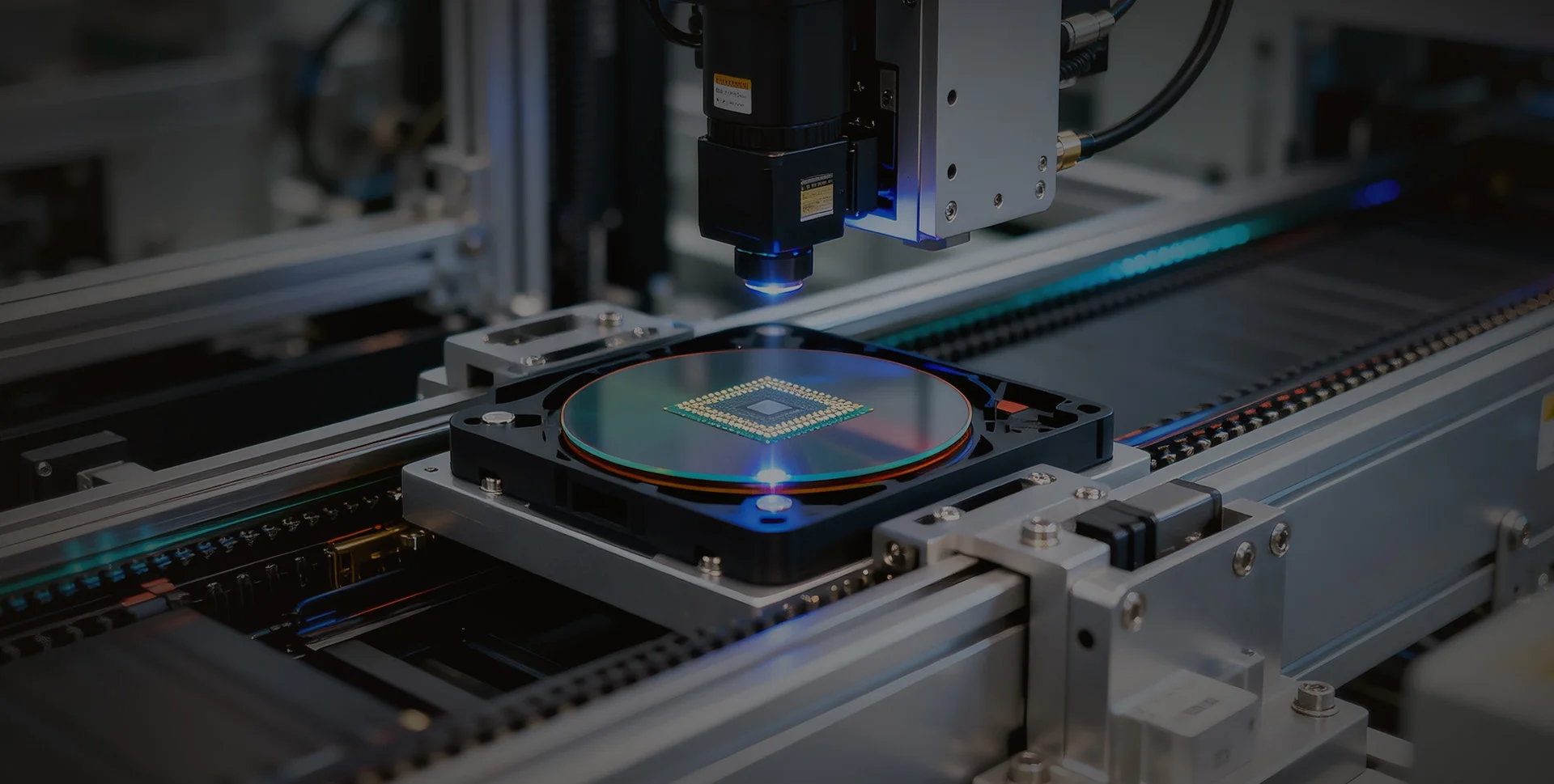
Material Sample
Used to compare material stiffness, surface, color and other relevant properties before moving into enclosure prototypes.
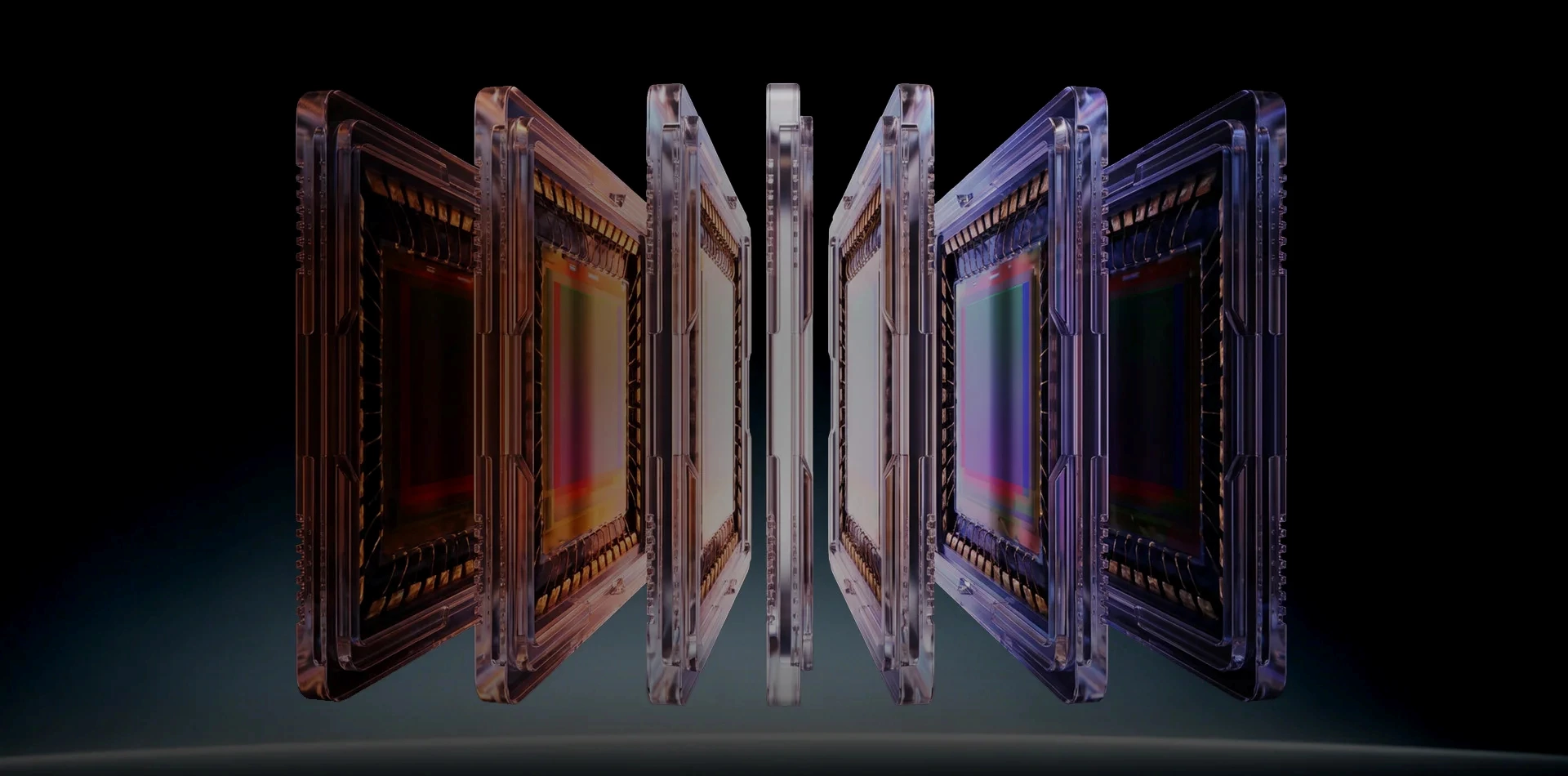
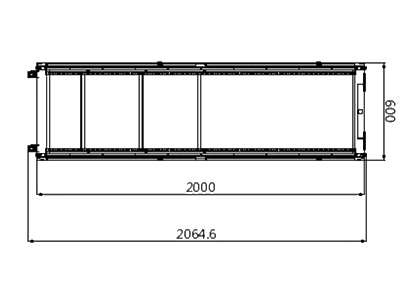
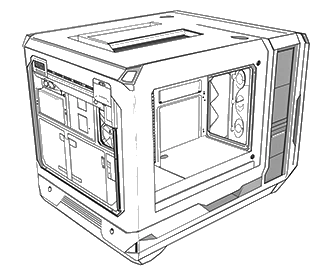
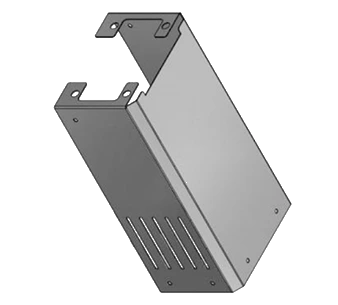

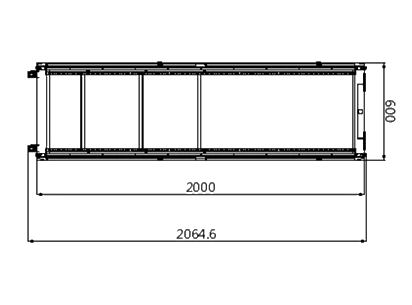
If the material is not yet confirmed, we can recommend practical plastic options based on enclosure structure, application environment, manufacturing process, quantity and cost.
| Material Type | Common Options | Typical Use Direction |
|---|---|---|
| ABS | ABS | For general electronic enclosures, indoor products and cost-sensitive housings. |
| PC | Polycarbonate | For products that need higher impact resistance, transparency or stronger protection. |
| PC + ABS | PC/ABS blend | For enclosures needing a balance of toughness, strength, heat resistance and processability. |
| PP | Polypropylene | For lightweight parts, selected chemical exposure or flexible plastic features where PP is suitable. |
| PA / Nylon | PA6, PA66, glass-filled nylon | For parts needing higher strength, wear resistance or reinforced structural features. |
| PBT / PET | PBT, PET, PBT-PET, PC-PBT | For electrical, heat-related or dimension-sensitive enclosure components. |
| ASA | ASA | For selected outdoor or UV-exposure applications where weather resistance is important. |
| Clear Parts / Windows | PMMA, PC | For transparent covers, display windows or visible clear components. |
| Other Plastic Materials | Project-specific plastics | Reviewed according to drawings, samples, product requirements and manufacturing feasibility. |
Before confirming the final plastic material, samples help verify stiffness, impact, enclosure structure, assembly, surface finish and application-specific requirements.
Used to compare material stiffness, surface, color and other relevant properties before moving into enclosure prototypes.
Used to check whether the material works with the enclosure structure, wall thickness, ribs, bosses, openings and mounting areas.
Used to review how the enclosure fits with PCBs, covers, buttons, connectors, inserts, screws and internal components.
Used to confirm compatibility with the required texture, color, painting, printing, marking and visible-surface requirements.
Sample validation helps confirm whether the selected plastic material direction is suitable before moving into tooling or production.
| Validation Point | What We Check | Why It Matters |
|---|---|---|
| Weight & Handling | Enclosure weight, touch, product handling, installation method and portability needs. | Confirms whether the material is practical for the product's real use and handling conditions. |
| Strength & Impact | Structure, ribs, bosses, load areas, impact resistance and deformation risk. | Helps confirm whether the enclosure can protect internal components and maintain structure. |
| Heat & Temperature | Heat exposure, internal heat sources, deformation risk and material temperature capability. | Checks whether the enclosure material can handle the product's thermal conditions. |
| Chemical & Environment | Moisture, chemicals, UV exposure, indoor or outdoor use and material aging risk. | Helps avoid material failure, discoloration or cracking in the expected environment. |
| Molding & Structure | Wall thickness, ribs, bosses, snap fits, openings, shrinkage and draft direction. | Confirms whether the material can be molded reliably with the enclosure design. |
| Surface Finish | Texture, color, painting, printing, laser marking, visible surface quality and cosmetic consistency. | Confirms whether the material works with the required appearance and surface treatment. |
| Cost & Production Fit | Material cost, tooling needs, molding cost, quantity and production feasibility. | Helps confirm whether the material direction is suitable for both product use and production planning. |
Common questions about choosing enclosure materials.
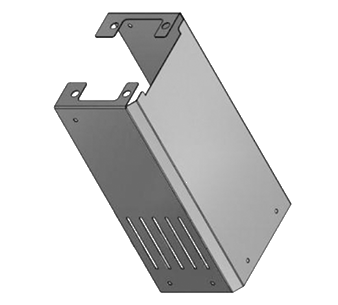
Common options include ABS, PC, PC+ABS, PP, PA/Nylon, PBT/PET, ASA and other project-specific plastic materials. Clear parts or windows can also be reviewed with PMMA or PC.
Material choice depends on enclosure structure, impact, heat, environment, appearance, manufacturing process, quantity and cost. If the material is not confirmed, we can review these requirements first.
Samples help confirm whether the selected plastic material works with the enclosure structure, assembly, surface finish, strength, heat and actual product use.
ABS is commonly used for indoor electronic enclosures where cost, cosmetic appearance and injection-molding processability are important.
PC or PC+ABS can be considered when higher impact resistance, toughness or heat performance is more important to the enclosure.
Yes. Plastic enclosures can support texture, color, painting, printing, marking and other finish requirements, but the material and process should be reviewed before production.
Some plastic materials can be used for outdoor products, but UV exposure, temperature, moisture, impact and aging requirements should be reviewed before confirming the material direction.
Tell us about your product enclosure requirements. Share drawings, samples, target quantity, materials, finishes and application details if available.
We use cookies to collect information about how you use this site. We use this information to make the website work as well as possible and improve our services.more details