Validate Before Tooling
A physical enclosure prototype turns design assumptions into testable decisions before tooling and production costs increase.

A physical enclosure prototype turns design assumptions into testable decisions before tooling and production costs increase.

Review physical parts, not only CAD, to find fit, interface and assembly issues earlier.

Check PCBs, displays, buttons, connectors, fasteners, lids and cables as one assembly.

Resolve geometry, material and assembly changes before committing to production tooling.

Use prototype findings to confirm DFM, finishes, tolerances and the next manufacturing step.
A prototype should reflect the enclosure decisions that matter to the intended production process, while avoiding unnecessary production-level detail too early.
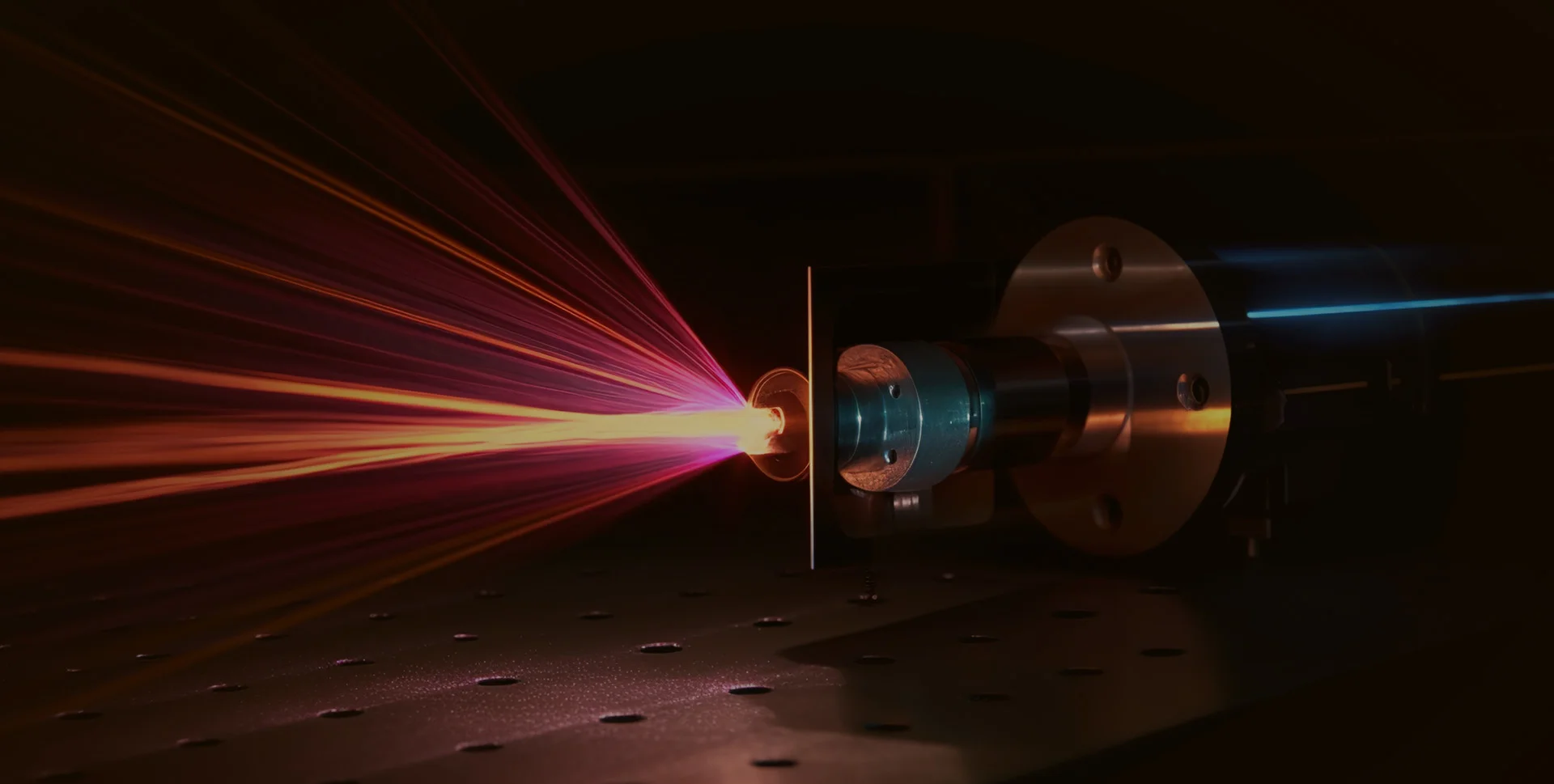
Review wall thickness, draft, ribs, bosses, undercuts, parting lines, gates, ejection, shrinkage and visible surface requirements.
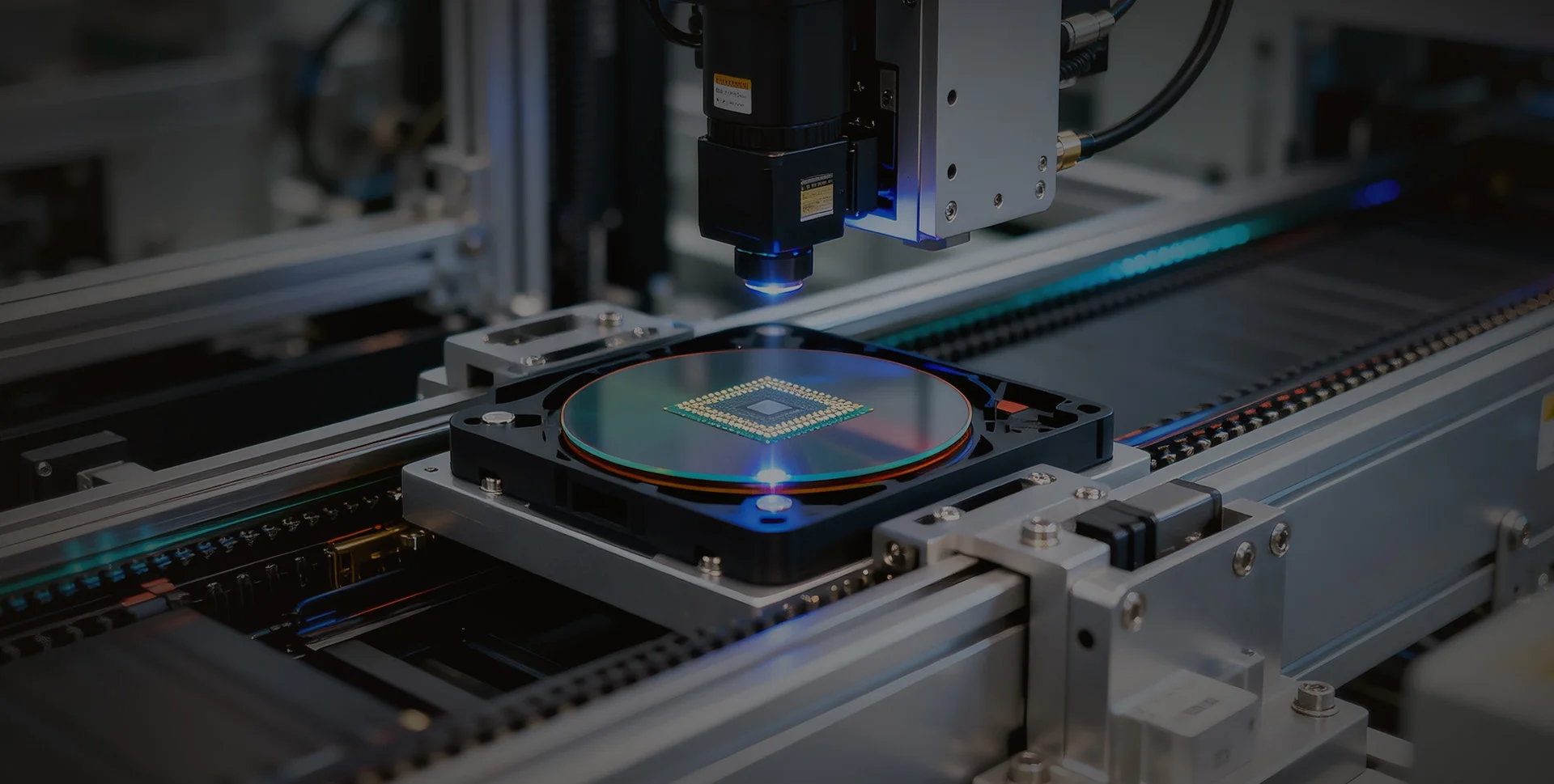
Review internal radii, pocket depth, thin walls, tool access, setups, tolerances and surface finish requirements.
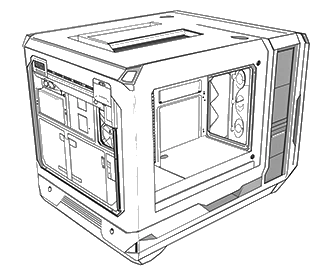
Review material thickness, bend radii, feature spacing, bend relief, fastening, welding access and flat-pattern feasibility.

Review wall transitions, draft, parting lines, ejection, ribs, machining allowances and secondary finishing requirements.

Space and mounting for PCBs, batteries, displays, modules, connectors and cables.

Alignment of ports, buttons, screens, indicators, vents and access points.

Lids, screws, inserts, snap fits, adhesives, clearances and assembly access.
Gasket paths, enclosure joints, ventilation, internal spacing and heat-transfer features before defined functional testing.

Visible joints, texture, color, markings, finish consistency and cosmetic issues.

Process limitations, tolerances, material behavior and required secondary operations.
Choose the prototype method according to enclosure geometry, material, required fidelity, quantity and the decision the sample must support.
Machined plastic or metal enclosures for precise fit, stable material behavior and production-like finishes.
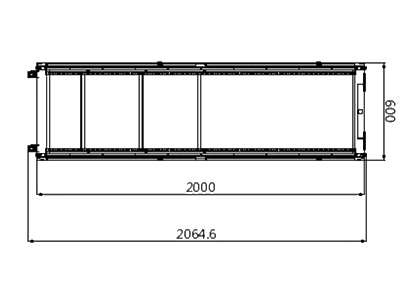
Fast enclosure iterations for form, fit, complex geometry and early functional checks.
Detailed small batches made with silicone molds and polyurethane casting resins for appearance and assembly evaluation.
Molded enclosure samples for later-stage validation using a process closer to production.

Integrate internal components, buttons, displays, connectors, gaskets, fasteners and labels into a complete build.
A clear build-and-review process keeps the prototype focused on specific product decisions.

A prototype is valuable when its results confirm or change the next decision. Once key requirements are reviewed, the enclosure can move into DFM, tooling and the selected manufacturing process.

Review manufacturability, tooling requirements and production risks before release.


Compare materials according to structure, environment, appearance and process needs.
Common questions before starting a custom enclosure prototype project.
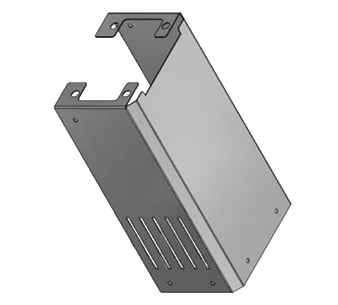
A prototype can be used to check component fit, interfaces, fastening, closure, assembly, appearance and other project-specific design decisions.
The right method depends on geometry, material, required accuracy, appearance, quantity, budget and what the prototype needs to prove.
Not always. Early prototypes may focus on form and fit, while later samples can use more representative materials when material behavior affects the decision.
Yes. Available PCBs, displays, buttons, connectors, fasteners, gaskets and other components can be integrated for fit and assembly review.
The project can move into final DFM, tooling or production preparation depending on the confirmed design and manufacturing route.
Send us your enclosure design requirements and we will help review the next step.
 Contact Us
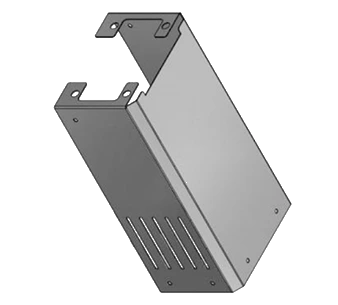
Key information to collect before design review, quoting and early project evaluation.
How plastics, metals and elastomers influence structure, appearance and production planning.
Typical manufacturability checks for enclosure geometry, tooling risk and assembly details.
Tell us about your product enclosure requirements. Share drawings, samples, target quantity, materials, finishes and application details if available.
We use cookies to collect information about how you use this site. We use this information to make the website work as well as possible and improve our services.more details