
Material Sample
Before confirming the final metal material, samples help verify weight, rigidity, forming or machining, assembly, surface finish and application-specific requirements.


If the material is not yet confirmed, we can recommend practical metal options based on enclosure structure, weight, environment, manufacturing process, finish, quantity and cost.
| Material Type | Common Options | Typical Use Direction |
|---|---|---|
| Aluminum | 5052, 6061 | For lightweight enclosures, heat-related products, telecom equipment and electronics housings. |
| Cold Rolled Steel | CRS, SPCC, DC01 | For indoor control boxes, panels, racks and cost-sensitive metal enclosures. |
| Stainless Steel | 304, 316L | For outdoor, marine, washdown, chemical or corrosive environments where the selected grade is suitable. |
| Galvanized / Coated Steel | Galvanized steel, pre-coated steel | For projects that need steel structure with improved corrosion protection. |
| Carbon Steel | Carbon steel | For heavy-duty cabinets, equipment housings and applications where higher structural rigidity is required. |
| Titanium Alloy | Titanium alloy | For selected projects requiring high strength-to-weight ratio, corrosion resistance or other specialized material properties. |
| Copper / Brass | Copper, brass | For selected conductivity, grounding, shielding or decorative requirements. |
| Other Metal Materials | Project-specific metals | Reviewed according to drawings, samples, product requirements and manufacturing feasibility. |
Before confirming the final elastomer material direction, samples help verify whether the selected material, hardness, compression behavior, sealing structure and surface condition can meet the product's actual requirements.
Before confirming the final metal material, samples help verify weight, rigidity, forming or machining, assembly, surface finish and application-specific requirements.
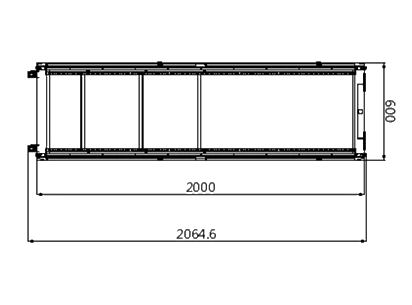
Used to check enclosure structure, bends or machined features, holes, openings, mounting areas and overall fit.
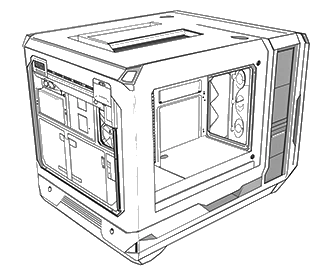
Used to review PCB/component fit, covers, panels, fasteners, inserts, cable entries and the intended assembly sequence.
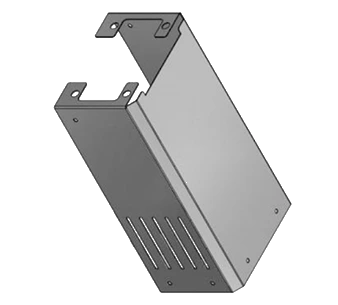
Used to confirm compatibility with the required coating, anodizing, brushing, printing, marking and visible-surface requirements.
Sample validation helps confirm whether the selected metal, manufacturing route and finish are suitable before moving into production.
| Validation Point | What We Check | Why It Matters |
|---|---|---|
| Weight & Handling | Enclosure weight, product handling, installation method and portability needs. | Confirms whether the material is practical for the product's real use and handling conditions. |
| Strength & Rigidity | Structure, load-bearing areas, support points and deformation risk. | Helps confirm whether the enclosure can maintain stability and protect internal components. |
| Corrosion & Environment | Material corrosion resistance, surface protection and expected use environment. | Helps avoid material failure in outdoor, humid, chemical or corrosive conditions. |
| Forming & Machining | Bend quality, holes, slots, cutouts, threads, secondary machining and tool access. | Confirms whether the material can be formed and processed reliably for the enclosure design. |
| Heat & EMI | Heat transfer, ventilation, shielding direction, grounding points, seams and conductive continuity. | Checks whether the enclosure can support thermal and EMI-related product requirements. |
| Surface Finish | Coating, anodizing, brushing, printing, marking, texture and visible surface quality. | Confirms whether the material works with the required appearance and surface treatment. |
| Cost, Application & Production Fit | Material cost, processing cost, finishing cost, quantity, production feasibility and actual use case. | Helps confirm whether the material direction is suitable for both product use and production planning. |
Common questions about choosing enclosure materials.
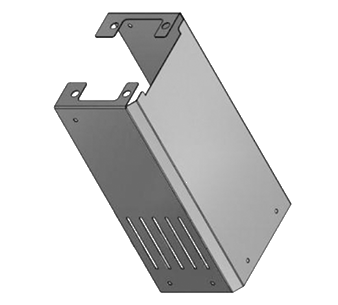
Common options include aluminum, cold rolled steel, stainless steel, galvanized steel, coated steel and carbon steel. Titanium alloy, copper, brass or other project-specific metals can also be reviewed according to product requirements and manufacturing feasibility.
Material choice depends on structure, weight, corrosion, heat, EMI needs, appearance, manufacturing process, quantity and cost.
Yes. Titanium alloy, copper, brass or other project-specific metals can be reviewed according to drawings, samples, product requirements and manufacturing feasibility.
Yes. Titanium alloy, copper, brass or other project-specific metals can be reviewed according to drawings, samples, product requirements and manufacturing feasibility.
Sample validation may include weight, strength, corrosion resistance, forming, machining, heat, EMI, surface finish, cost and application fit.
Yes, but shielding depends on material conductivity, seams, gaps, grounding points, gaskets, surface treatment and the overall enclosure design.
Tell us about your product enclosure requirements. Share drawings, samples, target quantity, materials, finishes and application details if available.
We use cookies to collect information about how you use this site. We use this information to make the website work as well as possible and improve our services.more details