Better Enclosures Start with Better Manufacturing
A practical manufacturing plan helps reduce production risk, control cost and keep critical enclosure requirements consistent from approved design to finished parts.
A practical manufacturing plan helps reduce production risk, control cost and keep critical enclosure requirements consistent from approved design to finished parts.

Match the manufacturing method to enclosure geometry, material, quantity and required features.

Balance material, tooling needs and production volume around the actual project requirements.

Plan machining, drilling, tapping, inserts and other secondary operations before they create delays or rework.

Keep approved dimensions, interfaces, finishes and critical requirements aligned through production.
Different enclosure designs require different manufacturing methods. The process is selected based on material, geometry, quantity and required features.
For production plastic enclosures with integrated walls, ribs, bosses, snap features and molded surface details.
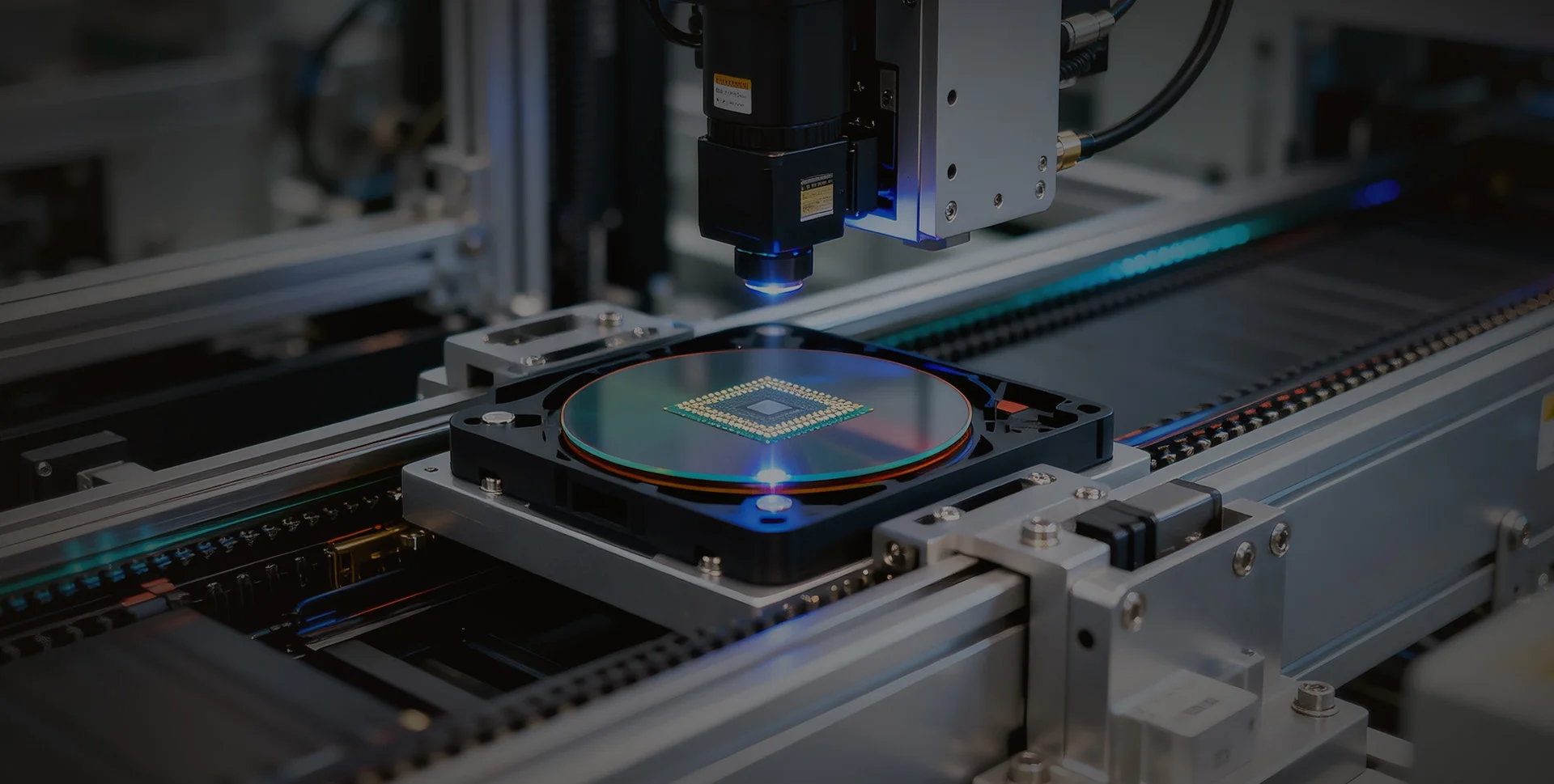
For plastic or metal enclosures requiring precise interfaces, threads, pockets, cutouts and machined features.
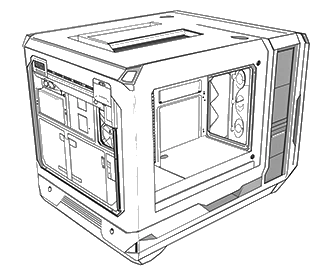
For panels, chassis and formed enclosures with bends, cutouts, fastening points and assembled features.

For production metal enclosures with integrated walls, ribs, bosses and mounting features, with secondary machining where required.

Walls, ribs, bosses, bends, undercuts, cavities and other enclosure features affect process feasibility.

Plastic resin, aluminum, steel and other material requirements narrow the practical manufacturing options.

Prototype, low-volume and repeat-production needs affect tooling, setup and unit economics.

Tooling complexity, distortion, difficult features and rework exposure are reviewed before production release.

Strength, weight, heat, sealing, EMI and durability requirements can favor different processes.

Tooling, setup, cycle time, secondary work, lead time and unit cost are considered together.
Choose the process according to the enclosure geometry, material, required fidelity, quantity and the decision the prototype must support.
Use approved CAD, drawings, revision status, material and finish requirements for production release.
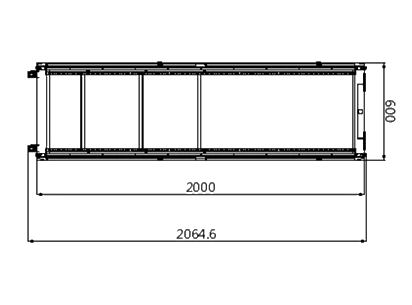
Confirm molds, dies, fixtures, cutters or gauges required by the selected manufacturing process.
Define critical dimensions, interfaces, cosmetic criteria and assembly checks before repeat production.
Use approved first parts or finish samples as references for fit, appearance and production acceptance.

Coordinate machining, drilling, tapping, inserts, finishing, marking or selected assembly after the primary process.

Production does not end when the base enclosure is formed. Surface finishing and assembly requirements must remain aligned with the material, geometry and intended use.
Painting, powder coating, anodizing, plating, brushing, printing and marking are selected according to material and appearance requirements.
Inserts, fasteners, gaskets, windows, labels, buttons and internal components can be integrated according to the confirmed assembly plan.
A clear production flow keeps the approved enclosure definition consistent from process setup through manufacturing, inspection and handoff.

A prototype is valuable when its results confirm or change the next decision. Once key requirements are reviewed, the enclosure can move into DFM, tooling and the selected manufacturing process.

Review manufacturability, tooling requirements and production risks before release.

Produce enclosure samples for appearance, fit, assembly and early validation.

Compare materials according to structure, environment, appearance and process needs.
Common questions about custom enclosure manufacturing and production.
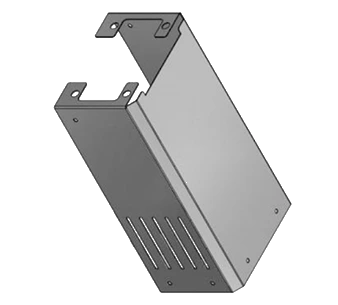
We compare geometry, material, quantity, finish, tolerances and tooling requirements before recommending a production route.
Yes. A project may combine molded, machined, formed or cast parts with secondary machining, finishing and hardware.
The current drawings, revision, material, critical interfaces, finish and inspection requirements should be confirmed before release.
Yes. CNC, sheet metal and other processes can suit lower volumes depending on geometry, material, finish and quantity.
Yes. Required finishing, inserts, hardware, gaskets and selected assembly can be coordinated after the primary manufacturing process.
Send us your enclosure requirements and we will help review the next step.
 Contact Us
Key information to collect before design review, quoting and early project evaluation.
How plastics, metals and elastomers influence structure, appearance and production planning.
Typical manufacturability checks for enclosure geometry, tooling risk and assembly details.
Tell us about your product enclosure requirements. Share drawings, samples, target quantity, materials, finishes and application details if available.
We use cookies to collect information about how you use this site. We use this information to make the website work as well as possible and improve our services.more details